Help to Buy is coming back: what Your First Home means in Dorset
On 26 September 2026 the Government announced Your First Home: a 2.5% deposit and a government equity loan of up to 20% for first-time buyers of new-build homes in England. The full details are due in the Budget on 28 October. Here is what we know, how it compares with the old Help to Buy, and what you can do in Bournemouth, Poole and Dorset in the meantime.
First-time buyers · Updated 2 October 2026
What we know so far
Announced, and still to come
Announced on 26 September
- A minimum deposit of 2.5%
- A government-backed equity loan of up to 20% of the price
- An initial interest-free period on the loan
- For first-time buyers
- New-build homes from developers signed up to the scheme
- England only
- A household income cap and local price caps
Not announced yet
- How long the interest-free period lasts
- What the loan costs after that
- The income cap, and the price cap for Dorset
- When you can apply
- Which developers take part
- Whether it can be used alongside Forces Help to Buy
Source: GOV.UK, New first-time buyer scheme to be confirmed at Budget, 26 September 2026. We will update this page after the Budget.
Try it on a home you’re looking at
How the numbers could compare
Start with the average first-time buyer price in Bournemouth, Christchurch and Poole, or type in the price of a home you have seen.
95% mortgage
Available today
| Deposit (5%) | £12,450 |
| Equity loan | — |
| Mortgage (95%) | £236,550 |
Old Help to Buy
Closed in 2023
| Deposit (5%) | £12,450 |
| Equity loan (20%) | £49,800 |
| Mortgage (75%) | £186,750 |
Your First Home
As announced
| Deposit (2.5%) | £6,225 |
| Equity loan (20%) | £49,800 |
| Mortgage (77.5%) | £192,975 |
Against a 95% mortgage, Your First Home would mean £6,225 less deposit and a mortgage payment about £221 a month lower. The equity loan is repaid as 20% of the home’s value when you sell or pay it off: if the home were worth £273,900 by then, that would be £54,780.
An illustration only, not a quote. The same rate is used for each so the difference comes purely from the size of the mortgage; in practice a mortgage at 75–77.5% of the price usually gets a lower rate than one at 95%. It leaves out fees and any cost of the equity loan once its interest-free period ends, which has not been announced.
Side by side
The old Help to Buy and Your First Home
| Help to Buy: Equity Loan2021 to 2023, now closed | Your First Homeannounced September 2026 | |
|---|---|---|
| Minimum deposit | 5% | 2.5% |
| Government equity loan | Up to 20% (40% in London) | Up to 20% |
| Who could use it | First-time buyers | First-time buyers |
| Homes | New builds | New builds from developers signed up to the scheme |
| Price cap in Dorset | £349,000 (South West) | Local caps, not yet set |
| Income cap | None | A household cap, not yet set |
| Interest-free period | 5 years | An initial period, length not yet set |
| After that | 1.75% of the loan a year, rising each year by RPI + 1% | Not yet announced |
| Where | England | England |
| Status | Last applications 31 October 2022 | Full details in the Budget, 28 October 2026 |
The original 2013–2021 Help to Buy was also open to home movers, with a single £600,000 cap across England.
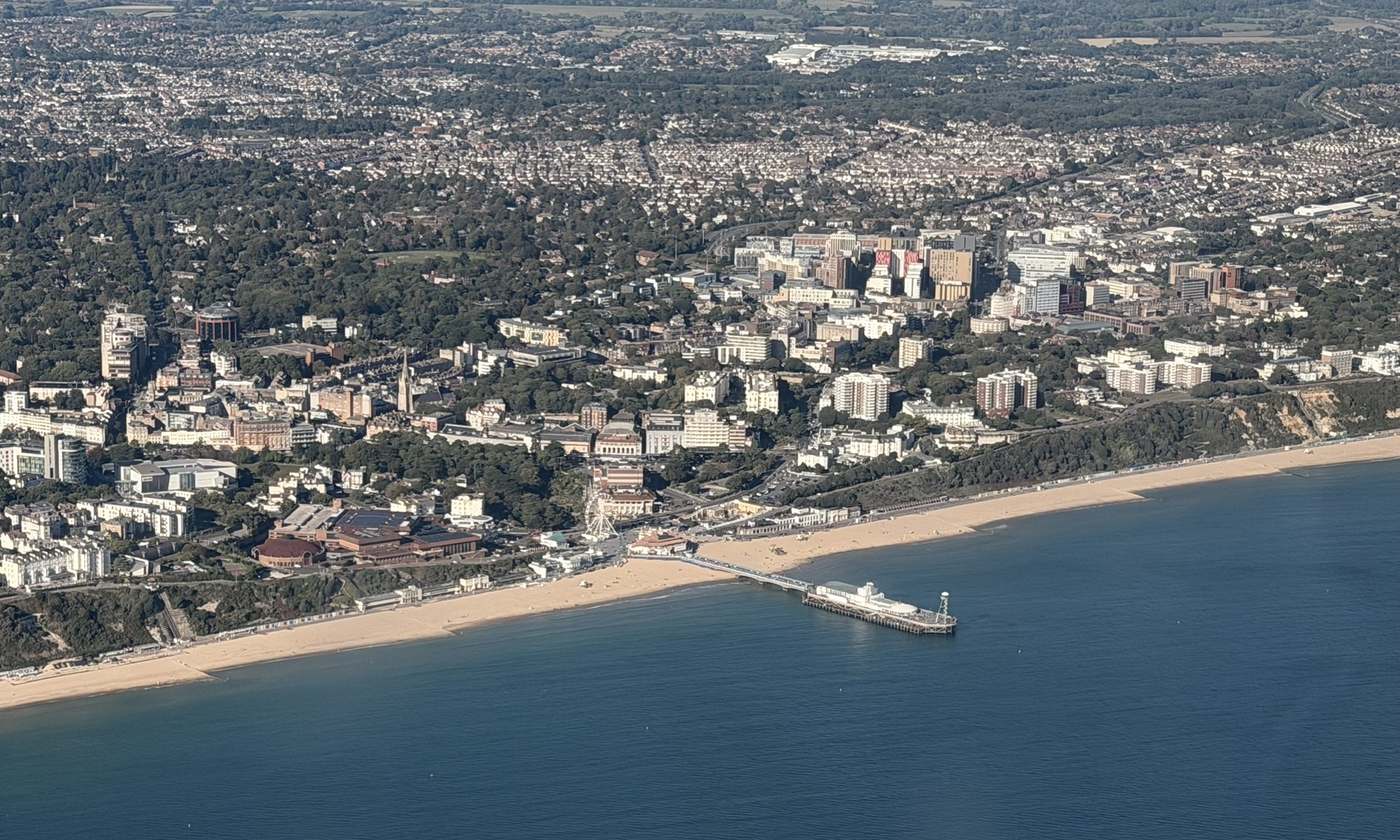
Bournemouth, Poole and Dorset
What it means locally
The average first-time buyer in Bournemouth, Christchurch and Poole pays about £249,000. On that price a 2.5% deposit is £6,225, against £12,450 for a 95% mortgage.
It only works on a new build from a developer that signs up, so the choice of homes will be narrower than the whole market. Most homes for sale here are not new builds.
New builds bring their own checks. Mortgage offers can run out before a delayed plot completes, builder incentives are reported to the lender and can reduce what it will lend, and some lenders limit borrowing on new-build flats more tightly than on houses. We plan the mortgage around the build timetable.
We look after a lot of Armed Forces buyers from Hamworthy, Wool, Bovington and Blandford. Forces Help to Buy is still running: an interest-free loan of up to 50% of your salary, to a maximum of £25,000. Whether it can be combined with Your First Home has not been said yet.
Buying elsewhere in the county? Mortgage advice across Dorset.
Buying before it starts
What you can use today
95% mortgages
A 5% deposit on a new or older home, widely available. The Government’s mortgage guarantee for lenders, Freedom to Buy, has been permanent since July 2025.
Up to 100%
A small number of lenders will lend up to 100% to renters who can show a record of paying their rent on time.
Shared ownership
Buy a share of a home, typically between 10% and 75%, and pay rent on the rest. Household income must be under £80,000 outside London.
Help from family
A gifted deposit, a family-assisted mortgage using a relative’s savings or property as security, or a parent on the mortgage but not the deeds.
Lifetime ISA
If you already have one, the Government adds 25% to what you save, up to £1,000 a year, towards a first home costing up to £450,000. A new First Time Buyer ISA is planned to replace it.
Stamp Duty relief
First-time buyers pay no Stamp Duty up to £300,000, and 5% on the part between £300,001 and £500,000. Above £500,000 the relief does not apply. Work it out.
Wait, or buy now?
It depends on the home and the rent you’re paying
If you have your eye on a new build and can wait until the scheme opens, a smaller deposit and a smaller mortgage may well be worth it. If you are buying an older home, it will not apply. And if waiting means months more rent, set that against what the scheme would save you. We will run both for you.
Get ready now
- Check your credit file with all three agencies and fix anything wrong.
- Keep three months of clean bank statements: no missed payments or gambling.
- Pull your deposit together in one place, and keep a record if family are gifting it.
- Get an agreement in principle, so you can move as soon as the scheme opens.
Help to Buy and Your First Home: your questions
Is Help to Buy coming back?
Not under that name. The Government has announced Your First Home, which works in a similar way: a government equity loan of up to 20% towards a new-build home, with a deposit of 2.5% instead of the 5% Help to Buy needed. The full details are due in the Budget on 28 October 2026.
When can I apply?
Not yet. The start date has not been announced. If you are planning to buy a new build in the next year, ask us to call you when the details are confirmed and we will go through whether it fits.
Can I use it to buy an older home?
No. As announced, it covers new-build homes from developers who have signed up to the scheme. For an existing home you would use a standard mortgage, a 95% mortgage, shared ownership or help from family.
Do I have to pay the equity loan back?
Yes. The loan is a share of the price, and you repay the same share of the home’s value when you sell or pay it off. If the home goes up in value, so does the amount you repay. It is interest-free at first; what it costs after that has not been announced. Under the old Help to Buy, a fee of 1.75% of the loan started in year six and rose each year.
What was the Help to Buy price cap in Dorset?
From 2021 to 2023 the cap for the South West, which includes Bournemouth, Poole and Dorset, was £349,000. Your First Home will have local price caps, but the levels have not been set yet.
I still have a Help to Buy ISA. Can I use it?
Yes. Help to Buy ISAs closed to new savers in November 2019, but you can pay into an existing one until 30 November 2029 and must claim the bonus by 1 December 2030. The bonus is 25%, up to £3,000, on a first home costing up to £250,000 outside London — which is right around the average first-time buyer price in Bournemouth, Christchurch and Poole.
Does it cover Wales or Scotland?
No. As announced, Your First Home is for England only.
Buying your first home in Dorset?
Whether you wait for the new scheme or buy now, we’ll talk you through what you could borrow and what you’d need. Leave your name and number and a CeMAP-qualified advisor will call you back.




Darren, Beth, Ben & JakeYour advisors, at our office in Poole
- Rated 5.0 from 160+ Google reviews
- Calls answered in 22 seconds on average
- Open Monday to Saturday, 9am to 5pm